SMG Productions is a UK video and broadcast production company working across corporate content, live events, and television. The team covers the full production cycle — from initial concept through to final delivery — for clients in media, brand communications, and live entertainment.
What SMG Productions Does
SMG Productions operates across four core service areas: corporate video production, live event coverage, post-production and editing, and broadcast content for TV and digital platforms.
The work spans scripted and unscripted formats, single-camera and multi-camera shoots, studio and location production. Clients range from FTSE-listed companies commissioning internal communications content to broadcasters requiring fully crewed location shoots.
Core Services at a Glance
| Service | What It Covers |
|---|---|
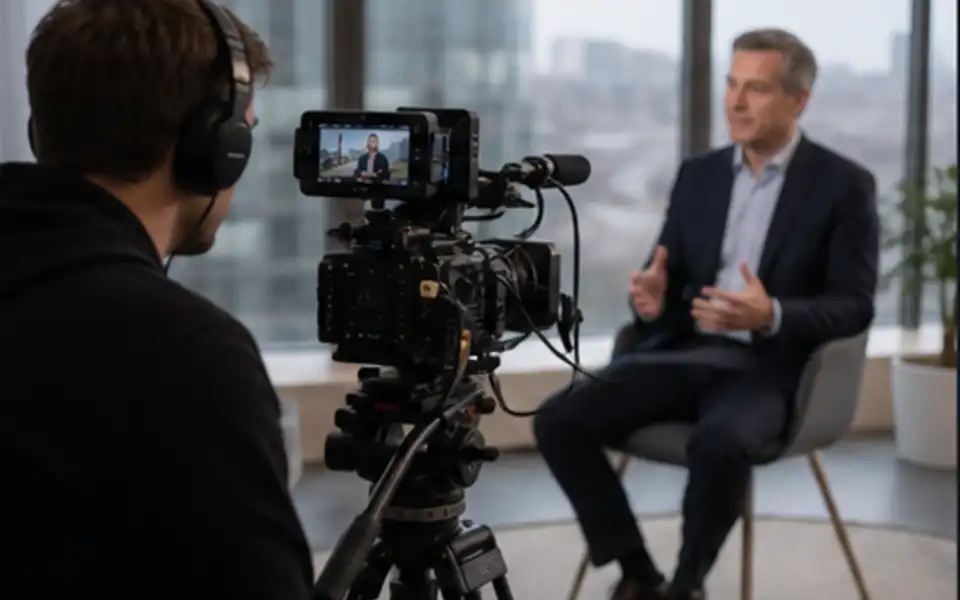
| Corporate Video | Brand films, internal comms, product videos, executive interviews |
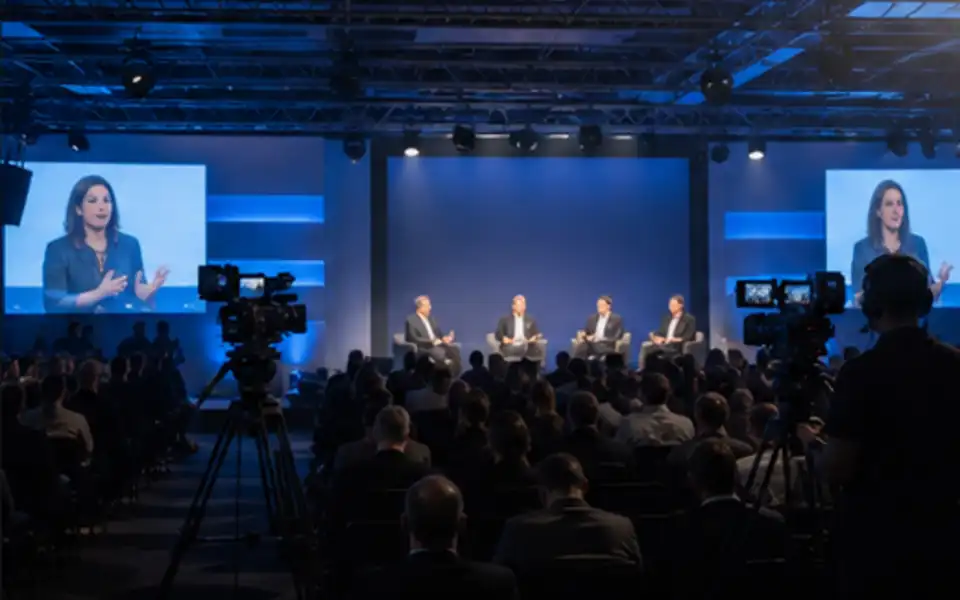
| Live Events | Multi-cam event coverage, live streaming, conference production |
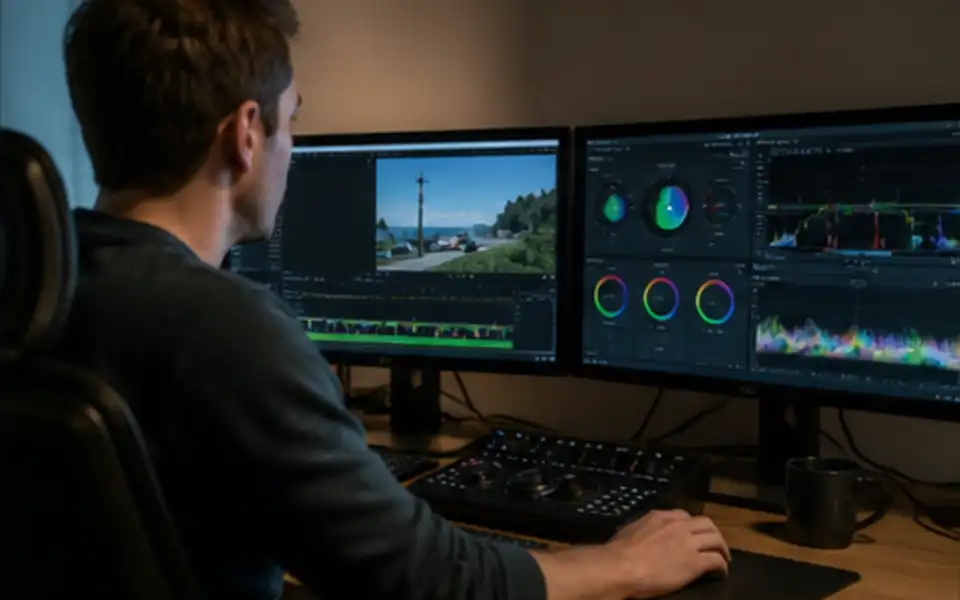
| Post-Production | Offline and online editing, colour grading, sound mix, graphics |
| Broadcast Production | TV commercials, documentary shooting, broadcaster delivery packages |
| Showreels | Editor, director and talent reels cut to industry standard |
| Behind the Scenes | BTS content for social, press and production archive |
The Production Process
Every project at SMG Productions moves through a defined workflow. This matters for clients because it keeps budgets predictable and delivery timelines accurate.
Pre-production covers brief development, scripting, casting, location recce, kit specification, and scheduling. Getting this stage right reduces costly changes during the shoot.
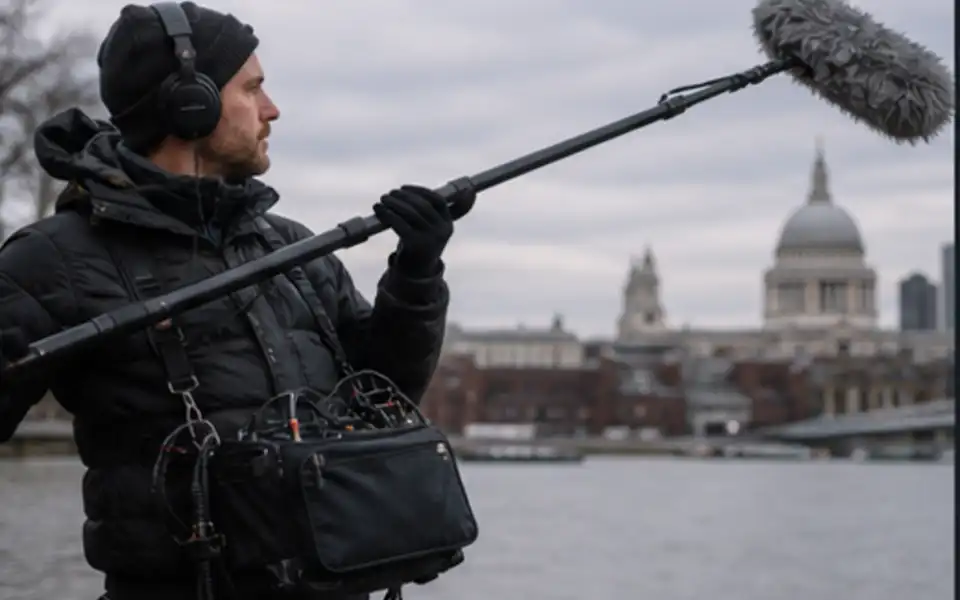
Production is the physical shoot — studio or location, single or multi-camera, with in-house crew or brought-in specialists depending on scale. SMG Productions works with experienced camera operators, directors, sound recordists and lighting technicians who have broadcast credits.
Post-production handles everything after the shoot wraps: offline edit, client review, online conforming, colour grade, audio mix, subtitles, graphics and final file delivery in formats required by the broadcaster or platform.
This three-stage structure applies whether the job is a three-minute brand film or a multi-day live event with simultaneous streaming to 10,000 viewers.
Why UK Production Companies Get Chosen on Specialist Criteria
The UK production industry is large. Platforms like Production Base and Mandy list thousands of freelancers and companies. Broadcasters listed on Broadcast Now report on dozens of new production deals each week.
In that context, clients choose production partners on specific technical and logistical grounds, not on vague claims about quality.
Common decision criteria:
- Broadcast delivery compliance — content must meet technical specifications for BBC, ITV, Channel 4, Sky or streaming platforms. Non-compliant files get rejected, which costs money and time.
- Insurance and certification — production companies working on location in the UK require Employer's Liability Insurance, Public Liability Insurance, and for certain venues, specific risk assessment documentation.
- HETV and PSB experience — High-End Television and Public Service Broadcasting have distinct production requirements. Experience with these formats signals credibility to commissioners.
- Crew structure — a company that can scale crew from a two-person ENG team to a 20-person broadcast crew without subcontracting chaos is genuinely useful.
- Post-production pipeline — clients increasingly ask whether the edit suite uses AVID, Premiere Pro or DaVinci Resolve, and whether the colourist has experience grading for HDR delivery.
SMG Productions operates with these criteria in mind. The team has worked on projects requiring OFCOM-compliant delivery, live streaming to regulated broadcast standards, and post-production pipelines meeting AS-11 file specifications used by UK broadcasters.
Live Event Production: What It Actually Involves
Live event coverage is technically one of the most demanding areas of video production. It requires simultaneous management of vision mixing, audio feeds, graphics, streaming encoding, and recording — often with no second take.
For a mid-scale corporate conference, a typical SMG Productions live event setup might include:
- 4–6 camera positions (wide, mid, close-up on speakers, audience)
- OB van or flypack for vision mixing and recording
- Streaming encoder feeding a CDN for remote audiences
- Dedicated audio engineer managing desk, radio mics and house sound
- Autocue or prompter operator if speakers require it
- Separate recording ISO feeds from each camera for post-event edit
For larger events — arena shows, outdoor festivals, national conferences — the crew and kit scale accordingly. SMG Productions has experience coordinating with venue technical teams, broadcast partners, and client AV suppliers, which is where most live event problems actually originate.
Corporate Video: Format and Function
Corporate video in 2026 is not a single format. Clients request content across a wide range of use cases, and each has different technical and creative requirements.
| Format | Typical Length | Primary Use | Key Technical Note |
|---|---|---|---|
| Brand Film | 90 sec – 3 min | Website, social, pitch decks | Needs music licensing cleared |
| Executive Interview | 2–5 min | Internal comms, PR | Teleprompter often required |
| Product Demo | 1–3 min | Sales, e-commerce | Close-up macro shooting, CGI optionally |
| Internal Training | 5–20 min | HR, onboarding | Chapters, subtitles, LMS-compatible formats |
| Event Highlights | 2–4 min | Post-event marketing | Same-day turnaround increasingly standard |
| Social Cutdowns | 15–60 sec | Paid social, organic | Vertical and square formats required |
One element that separates production companies with genuine broadcast experience from those without: they know which format decisions affect downstream use. Shooting on a codec that can't be used for broadcast, or recording audio at a level that won't survive a sound mix, creates problems that cost more to fix than they cost to prevent.
Post-Production and Editing
Post-production is where a significant part of the creative and technical value in a project is built. For clients unfamiliar with the process, it is also where budgets can expand unexpectedly without a clear scope.
SMG Productions approaches post-production with defined deliverables at each stage:
- Rough cut — first assembly edit for client review, typically at 50–70% of final duration with placeholder music and graphics
- Fine cut — after client notes, a locked or near-locked picture
- Online edit — grading, audio mix, graphics, titles, lower thirds
- Delivery — export to required specs (H.264 for web, ProRes for broadcast, MXF for AS-11, etc.)
Showreel production is a specific post-production service that matters particularly in the UK broadcast and production industry. A well-cut showreel — for a director, editor, camera operator or presenter — is the primary tool for getting work. SMG Productions has cut showreels for production talent working in broadcast drama, factual, sport, and commercial content.
Behind the Scenes Content
Behind the scenes production has shifted from a nice-to-have to a genuine content asset. Brands use BTS material across social media, press releases, recruitment content, and internal communications. Broadcasters use it for trailers, promotional slots, and platform content.
A BTS crew working alongside the main production captures material that would otherwise be lost. This includes interviews with talent and crew, wide environment shots, process footage, and candid moments that make edited BTS content feel authentic rather than staged.
The practical challenge: BTS crews must be skilled enough not to interrupt the main shoot, and must understand what footage will actually be useful in the edit. Experience on set — not just operating a camera — determines whether BTS content is usable.
Working with SMG Productions
Clients typically approach SMG Productions at one of three stages:
- Brief stage — an idea or objective, but no script or treatment yet. SMG Productions can develop the concept from scratch.
- Pre-production stage — a brief exists, but the client needs production expertise to execute it. SMG Productions takes over logistics, crew booking, and shoot planning.
- Post-production only — the footage exists but needs editing, grading, or mixing. SMG Productions can take on post-production independently of the shoot.
The entry point changes the timeline and budget conversation, but not the standard of output expected at the end.