Broadcast production covers everything from initial concept to the final deliverable that lands in an edit suite, on air, or in a client's hands. It is a discipline that combines editorial planning, technical crew, specialist equipment, and post-production into a single coordinated workflow. Getting any one element wrong affects the entire output.
What Broadcast Production Actually Covers
The term is used loosely, but in a professional context it refers to content produced to broadcast technical standards — meaning it meets the specifications required by UK broadcasters, streaming platforms, or corporate media departments with strict compliance requirements.
Broadcast production typically spans:
- Pre-production — scripting, location recces, scheduling, compliance checks, kit lists
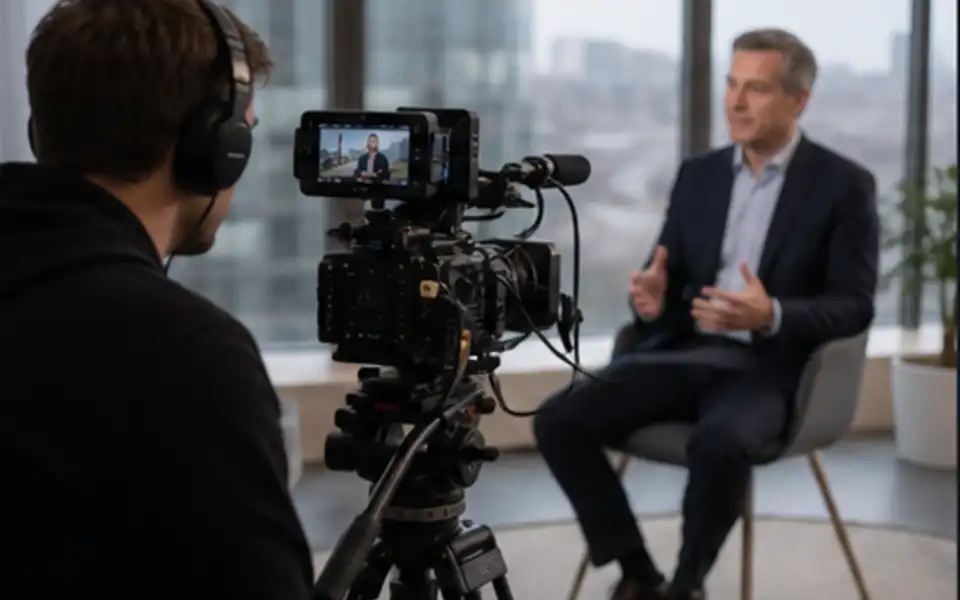
- Principal photography — multi-camera shoots, ENG (electronic news gathering), studio recording
- Live transmission or recording — OB (outside broadcast) units, gallery operations, director-led multicam
- Post-production — offline edit, online grade, audio mix, subtitles, versioning
- Delivery — format conversion, AS-11 mastering, platform upload, archive
UK Broadcast Standards: The Technical Baseline
Content destined for UK broadcast must conform to specific technical and editorial standards. These are not optional — failing a QC (quality control) check means the programme does not air.
| Standard | What It Covers | Applies To |
|---|---|---|
| Ofcom Broadcasting Code | Editorial compliance, accuracy, harm | All UK broadcast content |
| AS-11 DPP | File delivery spec for UK broadcasters | BBC, ITV, Channel 4, Sky |
| R128 / EBU Loudness | Audio loudness normalisation (-23 LUFS) | All broadcast audio |
| UHD HDR (HLG/PQ) | High dynamic range delivery | BBC iPlayer, Sky, streaming |
| IMSC1 / EBU-TT | Subtitle and caption formatting | Accessible content, Ofcom requirement |
Productions that do not go through a broadcast-experienced post-production pipeline regularly fail QC on loudness, aspect ratio metadata, or timecode discontinuities.
Crew Structure on a Broadcast Production
The crew configuration depends on format and scale. A corporate documentary might run a two-person shoot (director/camera, sound recordist). A live OB for a televised awards ceremony could require 40 or more crew across gallery, floor, and technical operations.
Typical roles across a mid-scale broadcast production:
Camera Department
- Director of Photography (DoP) or Lighting Cameraman
- Camera operators (A, B, C camera)
- Camera assistants / focus pullers
- Grip (track, dolly, crane operation)
Sound Department
- Production sound mixer
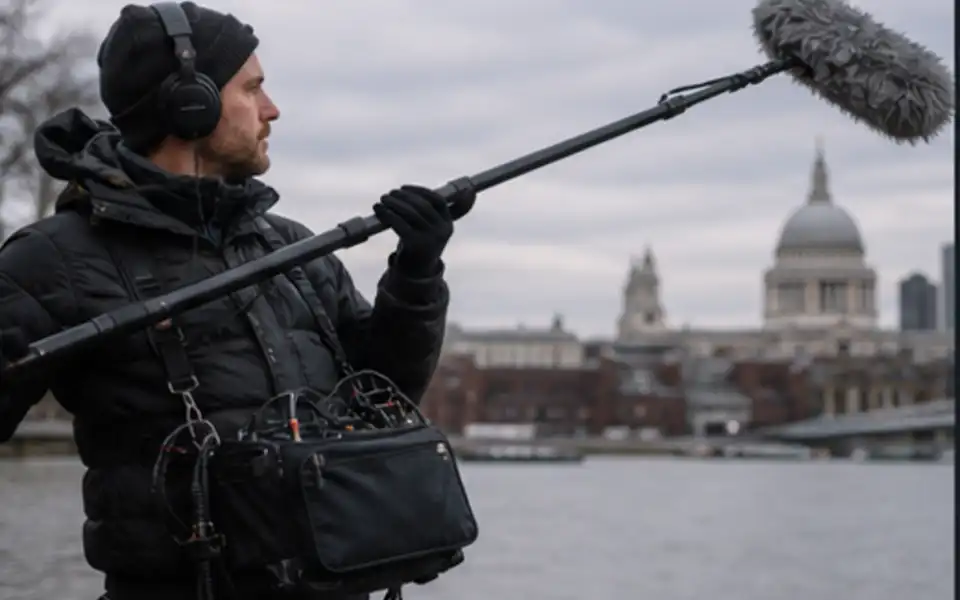
- Boom operators
- Playback and comms technician (live)
Directing and Editorial
- Director / Series Producer
- Production Manager
- Floor Manager (live and studio)
- Script supervisor / continuity
Technical and Broadcast
- Vision mixer (live multicam)
- Technical director / CCU operator
- EVS operator (live replay)
- Broadcast engineer / satellite uplink
Post-Production
- Offline editor
- Online editor / VFX
- Colourist
- Dubbing mixer / audio post
Equipment and Technology Used in 2026
Camera technology used on broadcast productions in the UK in 2026 centres on Sony VENICE 2, ARRI ALEXA 35, and Canon EOS C70/C300 Mk III for cinematic work. For live news and events, Sony FX9 and the F55 remain workhorses. Multicam live setups increasingly use IP-based infrastructure (SMPTE ST 2110) rather than traditional SDI routing.
Key equipment categories:
- Cameras: 4K/8K acquisition as standard; RAW or ProRes workflows
- Audio: Lectrosonics and Wisycom wireless systems; Sound Devices 888 mixers
- Lighting: LED panels (ARRI SkyPanel, Aputure 600D) replacing tungsten on location
- Transmission: Dejero and LiveU bonded cellular for live contribution
- Edit platforms: Avid Media Composer (broadcast standard), Adobe Premiere, DaVinci Resolve for grading
Cloud-based post workflows have become normal for series production. Remote editing over Sohonet or similar managed networks allows offline editors to work from anywhere while media stays on a central server.
Live Events vs Pre-Recorded Broadcast: Key Differences
Both require broadcast-grade output but the operational approach differs substantially.
| Factor | Pre-Recorded Production | Live Broadcast |
|---|---|---|
| Error correction | Available in post | Not possible once transmitted |
| Crew size | Typically smaller | Larger, more specialised roles |
| Equipment | Lighter, modular | Full OB truck or flyaway kit |
| Editorial control | Maximum flexibility | Locked scripts, strict rundown |
| Technical risk | Managed offline | Managed in real time |
| Cost driver | Post-production hours | Transmission and technical ops |
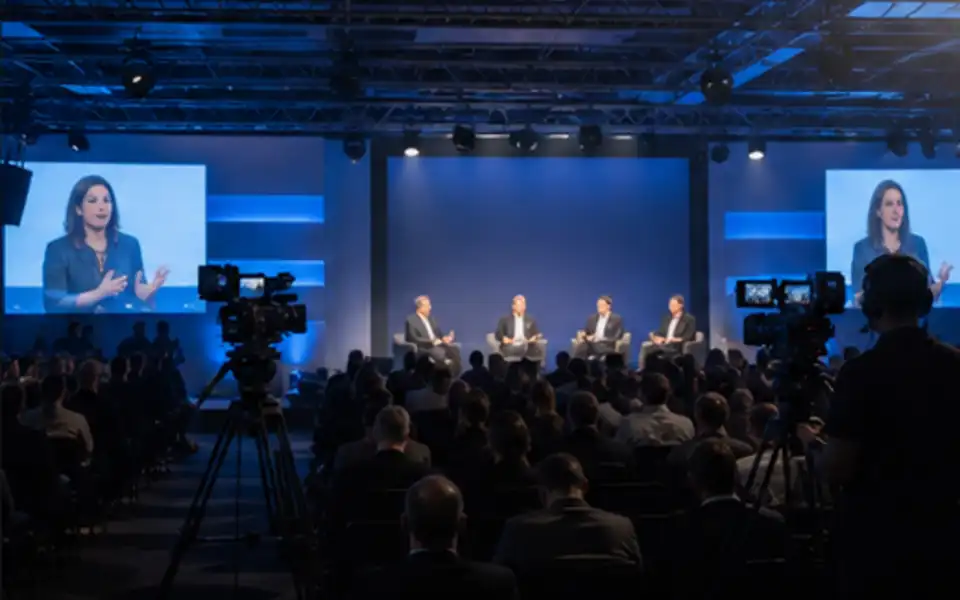
Live events — awards shows, sports, corporate conferences broadcast internally or externally — demand a level of rehearsal and technical preparation that pre-recorded work does not. A two-hour live show may require two days of technical rehearsals, a full run-through, and a dedicated comms infrastructure.
Corporate and Branded Broadcast Content
Not all broadcast production goes to a TV channel. A growing proportion of broadcast-standard content is commissioned by brands, financial institutions, and large corporates who need content that meets:
- Internal compliance and legal review
- Distribution via enterprise video platforms (Kaltura, Brightcove, Panopto)
- Quality standards consistent with their external brand positioning
This category includes investor day coverage, all-hands meetings streamed globally, product launch films for international distribution, and training content produced to a level that holds up on large-format displays.
The technical requirements are often identical to traditional broadcast. The editorial process, however, involves more stakeholders and approval layers, which affects scheduling significantly.
Post-Production: Where Broadcast Quality Is Made or Lost
A well-shot production can still fail at post. The post pipeline determines:
- Whether the edit holds narrative attention
- Whether the grade is consistent and deliverable-ready
- Whether audio passes loudness specs and sounds clean on all speaker types
- Whether the final file passes automated QC at the broadcaster or platform
A standard UK broadcast post workflow in 2026:
- Ingest and transcode to edit codec (DNx or ProRes)
- Offline edit in Avid or Premiere
- EDL/AAF export to online suite
- Online conform and VFX integration
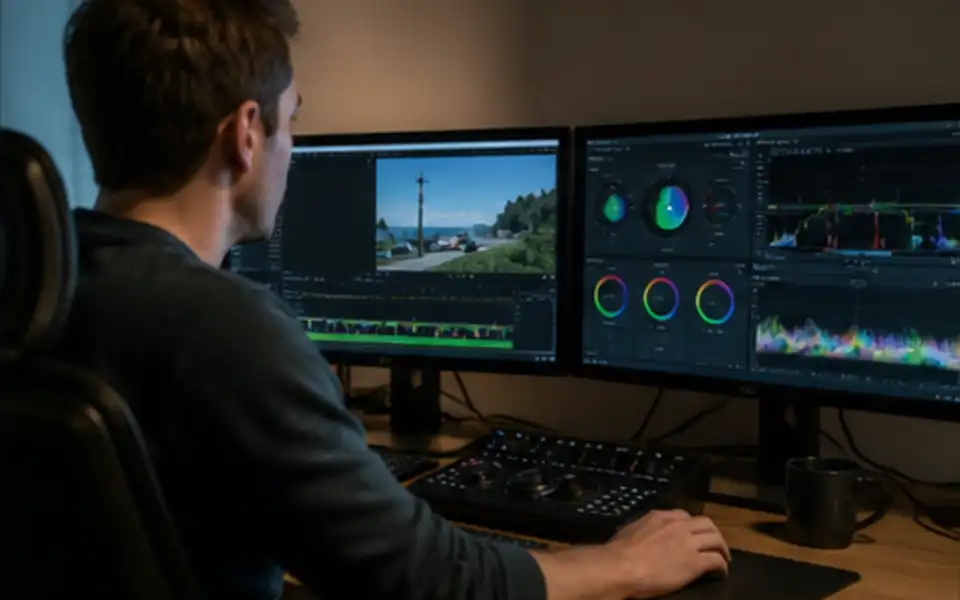
- Colour grade (DaVinci Resolve is now near-universal)
- Audio post: dialogue edit, sound design, music mix, M&E stems
- QC pass (automated via Venera or Telestream Vidchecker)
- Delivery in required format (AS-11, IMF, MP4 for digital)
Productions that skip automated QC before delivery routinely face rejection and re-delivery costs. A single QC failure and correction cycle on a one-hour documentary can add one to two days and significant cost.
Budgeting for Broadcast Production in the UK
Broadcast production costs vary widely. A rough framework for UK-based productions:
| Format | Indicative Day Rate Range | Typical Total Budget Range |
|---|---|---|
| Single-camera corporate film (3 min) | Crew: £1,500–£3,000/day | £8,000–£25,000 |
| Two-day documentary shoot + post | Full crew + edit | £30,000–£80,000 |
| Live event OB (half-day, 3 cameras) | £8,000–£18,000 total | £15,000–£40,000 with post |
| TV commercial (broadcast spec) | DoP alone: £1,500–£3,500/day | £50,000–£250,000+ |
| Series episode (30 min, independent) | Per episode full cost | £80,000–£200,000+ |
These figures exclude talent fees, location costs, music licensing, and broadcast rights clearances, which can each add 15–40% to a production budget depending on the project.
Why Production Company Experience Matters
A production company with broadcast history brings more than crew contacts. It brings:
- Familiarity with broadcaster compliance requirements from the outset
- Relationships with post-production facilities and QC services
- Risk management experience for live events
- Understanding of delivery formats across UK and international platforms
- Editorial judgement that reduces expensive re-shoots and re-edits
The difference between a crew that has delivered to Ofcom-regulated broadcasters and one that has not shows up in the planning phase, not just the delivery.