Understanding video production pricing in the UK means knowing which variables actually move the number — and which line items are non-negotiable regardless of budget.
Why Video Production Costs Vary So Widely
A 90-second corporate video can cost anywhere from £2,000 to £40,000 in the UK market. That range is not padding — it reflects genuine differences in crew size, shoot days, equipment, and post-production depth. The single biggest driver is not the camera; it is pre-production time and the number of skilled people on set.
The second biggest factor is revision cycles. Productions that agree a clear brief upfront consistently come in on budget. Those that do not can add 20–40% to the final invoice through additional edit rounds, re-shoots, and asset replacements.
What Affects the Final Price
| Factor | Low Impact | High Impact |
|---|---|---|
| Shoot days | 1 day, single location | 3+ days, multiple locations |
| Crew size | 2-person run-and-gun | Director, DoP, sound, PA, runners |
| Equipment | DSLR/mirrorless kit | Cinema-grade cameras, jibs, drones |
| Post-production | Assembly cut only | Grade, audio mix, motion graphics, VFX |
| Talent | Internal staff on camera | Professional presenter, VO artist |
| Delivery formats | Single MP4 | Multi-format broadcast-ready masters |
Corporate Video Pricing
Corporate video is the most requested format for UK businesses. Pricing typically scales with shoot complexity and whether the video requires branded motion graphics or animation.
Typical corporate video price ranges (UK, 2026):
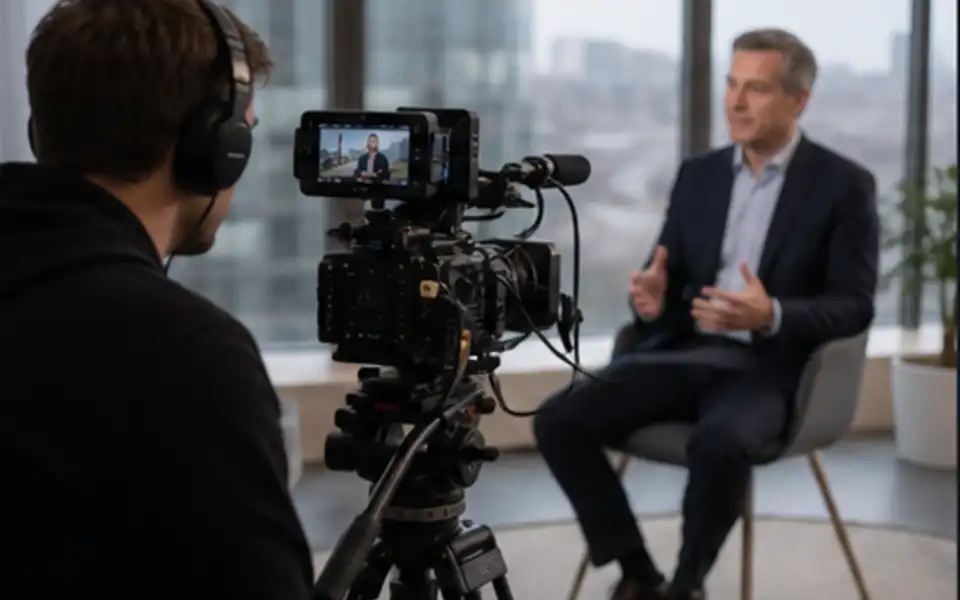
- Tier 1 — Talking head / interview-led: £2,500–£6,000. One location, half-day shoot, basic grade and cut, no motion graphics. Suitable for internal comms, team pages, recruitment.
- Tier 2 — Story-led brand film: £8,000–£18,000. Full shoot day or two, professional lighting setup, scripted narrative, colour grade, licensed music, branded end card.
- Tier 3 — Campaign or series production: £20,000–£60,000+. Multiple shoot days, professional presenter or actor talent, full post suite — grade, mix, motion graphics, multi-format deliverables including social cutdowns.
Most UK production companies price by the project, not the hour. Day rates for a freelance videographer in London currently sit at £450–£750. A full crew (director, DoP, sound recordist) runs £1,800–£3,500 per day before equipment hire.
Live Event Video Production
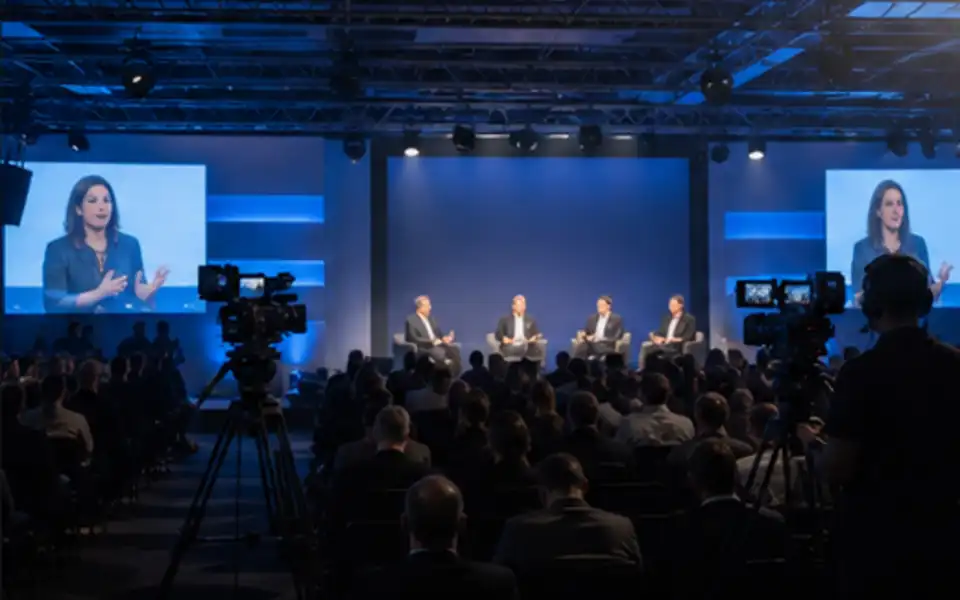
Live event work carries its own cost structure because it combines real-time technical delivery with post-event edit output. Mistakes cannot be fixed in post if the shot was missed during the event.
What drives live event pricing:
- Number of cameras (each camera requires an operator)
- Whether the feed needs to go to screens in the venue (IMAG)
- Broadcast-standard switching versus a simple recording setup
- Live streaming requirements (encoding, CDN, backup lines)
- Turnaround time for highlight edit
Live event cost indicators (UK market):
| Setup | Typical Range |
|---|---|
| Single-camera record only | £900–£2,500 |
| 3-camera switched production, no streaming | £4,000–£9,000 |
| 3-camera with live stream and same-day highlight edit | £8,000–£16,000 |
| Full broadcast-standard multi-cam with OB support | £18,000–£50,000+ |
Events in London carry a 15–25% premium over regional UK rates, primarily due to venue access logistics, parking, and higher day rates in the London crew market.
Broadcast Production Pricing
Broadcast-standard production — content for TV, streaming platforms, or regulated media — operates under a different cost logic entirely. The technical specification requirements (camera standards, audio delivery specs, codec and file format requirements) mean that cutting corners on equipment is rarely possible.
Broadcast productions in the UK are largely governed by client briefs tied to Ofcom-regulated channels, SVOD platforms, or commercial broadcasters with their own delivery standards. This introduces compliance steps that add cost.
Key broadcast cost factors:
- Camera format: Broadcast clients typically require 4K RAW or high-bitrate ProRes, not compressed codecs
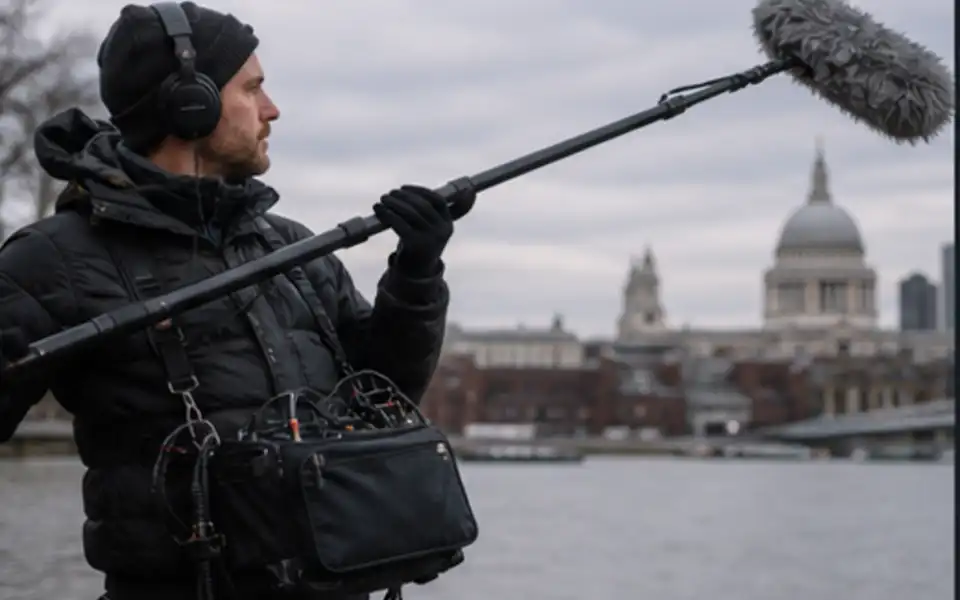
- Audio: Dual-system sound, boom and radio mic, 48kHz 24-bit minimum
- Insurance: Productions for broadcast require comprehensive production liability, usually £5–10 million cover
- E&O insurance: Errors and omissions cover is required for most broadcast deliverables
- Versioning: Broadcasters often need multiple versions — TX master, streaming file, trailer, social assets
A short-form factual or branded content piece for a UK broadcaster typically starts at £15,000 in production cost and scales upward with shoot days and post complexity.
Post-Production Pricing
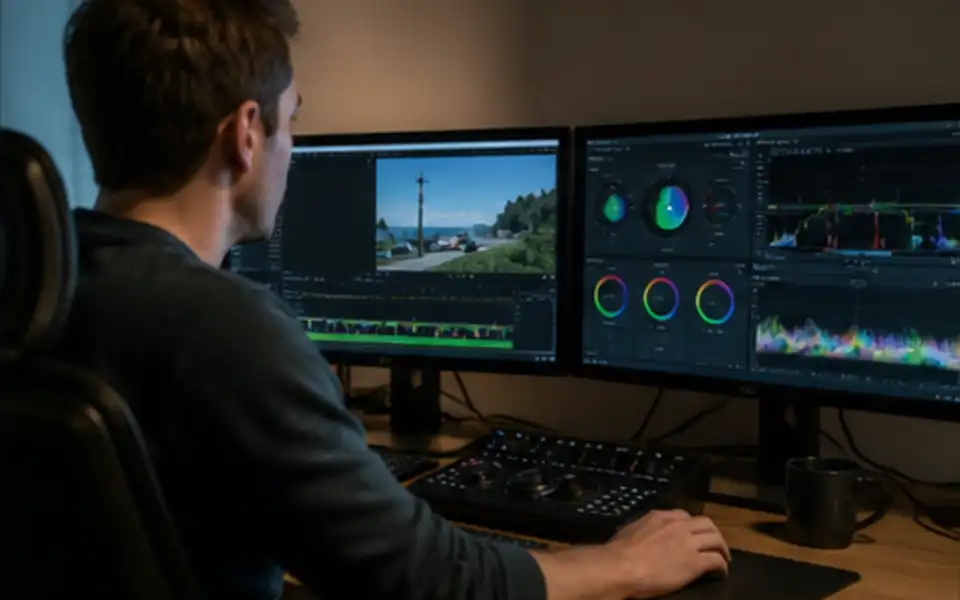
Post-production is frequently underbudgeted because clients focus on the shoot day. In reality, a one-day shoot may generate 6–12 hours of editing, 4–8 hours of grade, 4–6 hours of audio work, and several hours of motion graphics — before a single revision note is submitted.
Post-production rate benchmarks (UK, 2026):
| Service | Day Rate (8 hrs) |
|---|---|
| Offline edit (assembly through fine cut) | £500–£900 |
| Colour grade (DaVinci Resolve) | £600–£1,100 |
| Audio mix and sound design | £500–£950 |
| Motion graphics / After Effects | £600–£1,200 |
| VFX composite shot (per shot) | £300–£1,500 |
Online edit suites in central London bill at a premium — expect £900–£1,500 per day for a supervised online session. Most productions do not require supervised online sessions unless the output is going directly to broadcast transmission.
Showreel and Behind-the-Scenes Content
Showreels and BTS content sit in a different commercial bracket. They are rarely produced as standalone commissions — they are typically a deliverable agreed within a larger production contract.
A standalone showreel edit (from existing footage supplied by the client) runs £400–£1,200 depending on length, complexity, and music licensing. Producers who commission BTS coverage as an add-on to a main production usually pay £800–£2,500 for a dedicated BTS operator and a 2–3 minute edited piece.
What Is Usually Not Included in a Quote
Most production quotes are structured to cover core deliverables. The following are commonly excluded unless explicitly stated:
- Location permits and filming permissions
- Talent fees (presenters, actors, voice-over artists)
- Licensed music (buyout tracks from libraries such as Musicbed or Artlist)
- Travel and accommodation outside a defined radius (usually 25 miles from base)
- Subtitles and closed captions
- Translation or transcription
- Archive footage licensing
- Additional delivery formats beyond the agreed master
Always ask for a line-item breakdown. A headline price of £12,000 may become £16,000 once talent and music are added. This is not unusual — it simply reflects the modular nature of production budgets.
How to Brief Effectively and Avoid Cost Overruns
The most expensive productions are those that lack a clear brief at the start. The following information, provided upfront, prevents scope creep:
- Objective — what specific action should the viewer take after watching?
- Audience — who is watching, on which platform, in what context?
- Duration — agreed final cut length, not "as long as it needs to be"
- Deliverables — list every file format and platform the video will appear on
- Approval process — who signs off, how many rounds of revisions are included
- Deadline — both the shoot date and the final delivery date
Productions that arrive at briefing with these six points answered typically receive more accurate quotes and avoid the most common sources of additional cost.
Frequently Asked Questions
How much does a one-minute corporate video cost in the UK?
A one-minute corporate video in the UK typically costs between £3,000 and £12,000 depending on production values. A simple talking-head interview filmed in one location with basic editing sits at the lower end. A scripted narrative with multiple locations, professional lighting, grade and motion graphics sits toward the upper range. The cut length is not the primary cost driver — the shoot and post-production complexity are.
Is live streaming included in live event video production costs?
Not by default. Live streaming requires separate encoding hardware or software, a dedicated streaming operator, and a reliable uplink connection — either bonded cellular or venue-provided fibre. These are line items that should be quoted separately. Expect to add £800–£2,500 to a live event quote for a basic managed stream to a single platform, and more for multi-platform delivery with a backup feed.
What is the difference between a broadcast-standard production and a standard corporate video?
The primary differences are technical specification and compliance. Broadcast-standard productions must meet the delivery requirements of a specific broadcaster or platform — defined codecs, frame rates, audio loudness standards (EBU R128 in the UK), and metadata. They also typically require specific insurance policies that most corporate productions do not. The crew and equipment are usually the same at the top end, but the post-production pipeline and QC (quality control) steps are significantly more detailed.
How many revision rounds should I expect in a video production contract?
Industry standard in the UK is two rounds of revisions — one after the assembly or rough cut, one after the fine cut. Some producers include a third round for broadcast or high-value projects. Revisions beyond the agreed number are billed at the editor's day rate, typically £500–£900 per day. Defining what counts as a revision (structural changes versus minor tweaks) in the contract before production begins avoids disputes at the invoice stage.