title: Case Studies – Corporate Video & Broadcast Production by SMG Productions description: Real production case studies from SMG Productions: corporate video, live events, broadcast and post-production work across the UK. See how we approach each project. language: en-GB geo: United Kingdom
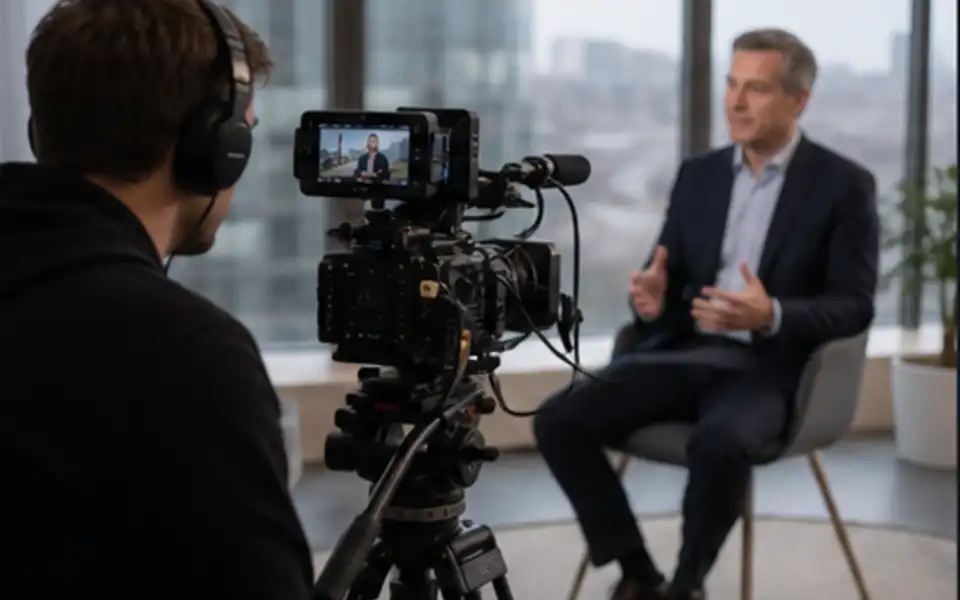
SMG Productions has worked across a wide range of production formats – from single-camera corporate interviews shot in a day to multi-camera live events broadcast to thousands of viewers. These case studies break down how specific projects were planned, shot, edited and delivered, with honest detail about timelines, crew sizes and technical decisions.
Why Production Case Studies Matter More Than a Showreel
A showreel tells you what a production company can shoot. A case study tells you how they actually work. For anyone commissioning corporate video, broadcast content or live event coverage in the UK, the process behind the footage matters as much as the footage itself. Budget management, communication with stakeholders, post-production turnaround and broadcast compliance are the factors that determine whether a project succeeds or runs over.
Case Study 1: Multi-Camera Corporate Conference Coverage
Client type: Financial services firm, London Format: Multi-camera live capture, edited highlights, internal broadcast Crew: 4-person crew (director, two camera operators, sound engineer) Shoot days: 2 Post-production: 5 working days Deliverables: 90-minute full edit, 6-minute highlights reel, 12 individual speaker clips
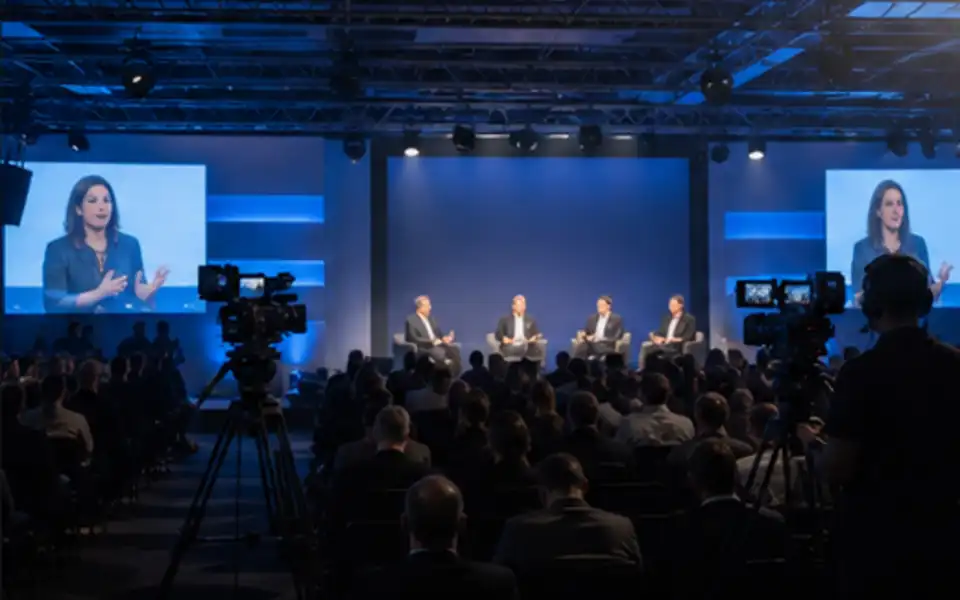
The brief was to cover a two-day internal leadership conference for around 400 attendees, with the edited content distributed across the client's internal communications platform within one week of the event.
Key decisions made in pre-production:
- Three camera positions were locked off to capture stage, audience and close-up presenter angles simultaneously
- A dedicated audio feed was taken directly from the venue's PA desk to avoid ambient pickup issues
- Graphics and lower thirds were pre-built before the event, reducing post-production time by approximately 30%
- A shared online folder structure was agreed with the client's internal comms team before day one of the shoot
The highlights reel was delivered 4 working days after wrap. Speaker clips were turned around within 3 days. The client used the footage across internal platforms and LinkedIn.
What made this work: Pre-production rigour. Every decision made before the cameras rolled saved time in the edit.
Case Study 2: Brand Documentary for UK Manufacturer
Client type: B2B manufacturing company, Midlands Format: Single-camera documentary-style brand film Shoot days: 3 (factory floor, interviews, product demonstration) Post-production: 12 working days Final runtime: 8 minutes (long version), 90-second cut-down for digital
This project required filming in an active manufacturing environment – noise levels, safety protocols and controlled lighting all had to be managed without disrupting production schedules.
| Challenge | Solution |
|---|---|
| Factory floor noise interference | Lavalier mics with noise gate processing in post |
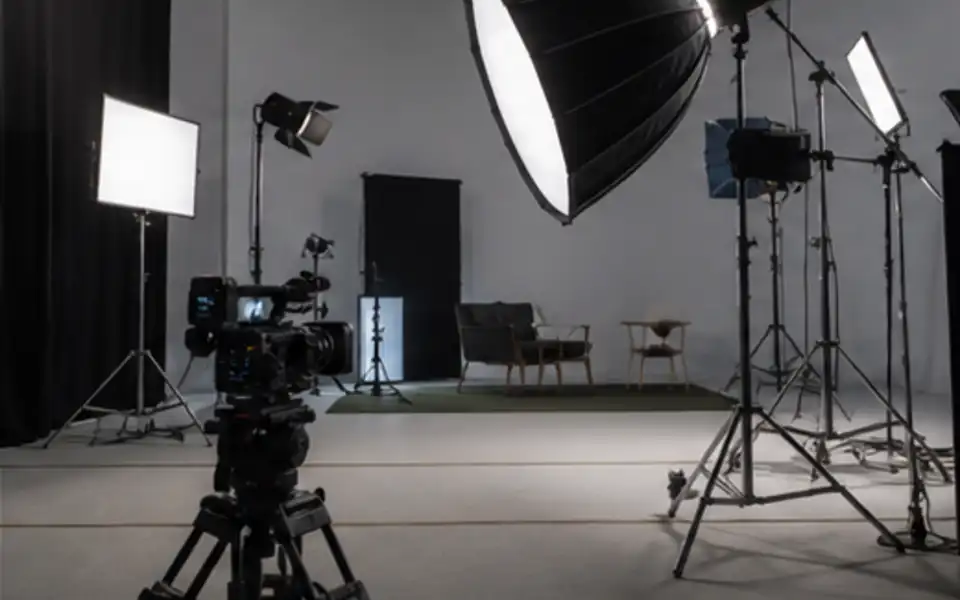
| Restricted lighting conditions | LED panel rig brought on-site, positioned between machinery |
| Limited interview space | Unused loading bay dressed as interview set |
| Client stakeholder review cycle | Two rounds of feedback built into contract timeline |
The 8-minute brand film was used at a trade exhibition, embedded on the company's website and submitted to an industry awards programme. The 90-second version ran as pre-roll on LinkedIn campaign targeting procurement managers.
Distribution performance (12 weeks post-launch):
- Exhibition screening: viewed by an estimated 1,200 attendees
- LinkedIn pre-roll: 34,000 impressions, 18% view-through rate
- Website embed: average on-page time increased from 47 seconds to 2 minutes 38 seconds
Case Study 3: Live Event Broadcast with Remote Production Element
Client type: Professional membership organisation Format: Hybrid live event – in-person and streamed Crew: 6 on-site, 1 remote director managing stream output Broadcast platform: Private streaming portal with recording for on-demand Attendees: 850 in-person, 1,400 remote viewers
Live broadcast adds a layer of pressure that edited work does not. There is no opportunity to fix a technical failure in post. For this project, the production team ran two parallel signal paths – one for in-room display and one for the outbound stream – so that a failure in either chain would not affect the other.
Technical setup overview:
- Vision mixer: Blackmagic ATEM Constellation
- Cameras: 4 x Sony FX9 on tripods, 1 x handheld for audience coverage
- Graphics: Viz Mosart-driven lower thirds synced to running order document shared with client
- Streaming: Wirecast Pro encoding to private CDN, with 30-second delay buffer
- Backup: Secondary laptop encoding simultaneously to cloud storage
The stream ran for 4 hours 20 minutes with zero dropout. On-demand recording was processed and available on the portal within 90 minutes of event close.
What clients need to understand about live broadcast: Budget for redundancy. The second encoder, the backup internet connection, the spare camera body – these are not luxuries. They are the difference between a delivered broadcast and an incident report.
Case Study 4: Post-Production Only – Edit and Grade for Third-Party Footage
Client type: Charity sector, footage shot by regional teams across four UK cities Format: Post-production only engagement Footage received: 140GB of mixed format files (Sony XAVC-S, iPhone 13 Pro, GoPro Hero 10) Final deliverable: 5-minute fundraising film, 30-second social cut, 15-second bumper
Not every engagement involves SMG Productions crews on location. This case study covers a post-production-only brief, which presents a different set of challenges: no control over how the footage was captured, inconsistent exposure, mixed colour profiles, and variable audio quality.
Workflow used:
- Footage ingested and logged with timecode references
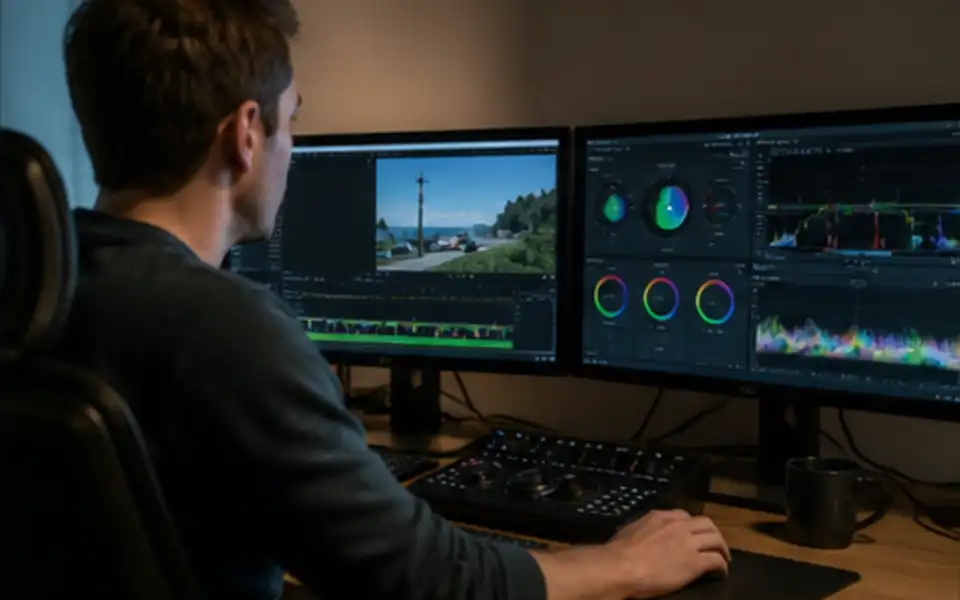
- All files conformed to ProRes 422 HQ in DaVinci Resolve
- Audio cleaned using iZotope RX 10 – dialogue salvaged from 78% of unusable takes
- Colour grade applied to create visual consistency across all four cities and three camera types
- Music licensed through a UK sync library within the client's budget (under 500 GBP)
- Three rounds of review via frame.io with timestamped client comments
The fundraising film was used in a direct mail campaign and at a gala dinner. The charity reported a 22% increase in donations compared to the previous year's campaign, which used a static image and text-based appeal.
What These Projects Have in Common
Across corporate, broadcast, live events and post-production work, the projects that run smoothly share the same characteristics:
- A detailed brief with signed-off deliverables before any crew is booked
- A single point of contact on the client side with authority to approve
- Realistic timelines that account for review cycles, not just edit time
- Technical decisions made in pre-production, not on the day
The projects that create problems – overruns, budget pressure, revision spirals – almost always have an unclear brief or a review process involving too many stakeholders with conflicting priorities.
Production Formats and Typical Timelines
| Format | Typical Shoot Duration | Post-Production Window | Common Deliverables |
|---|---|---|---|
| Corporate interview / talking head | Half day to 1 day | 3–5 working days | 1–3 edited clips, social cuts |
| Conference / event coverage | 1–3 days | 5–10 working days | Highlights reel, speaker clips, full edit |
| Brand documentary | 2–5 days | 10–20 working days | Long-form film, cut-downs |
| Live broadcast | Event day plus 1 prep day | Same day to 24 hours (on-demand) | Live stream, recording, highlights |
| Post-production only | N/A | 5–15 working days depending on volume | Finished edit, grade, sound mix |
Working Within Broadcast Standards
Projects destined for television or regulated platforms require compliance with broadcast technical specifications. This includes loudness standards (typically -23 LUFS for European broadcast, in line with EBU R128), frame rate matching, subtitle files and delivery codecs specified by the broadcaster.
SMG Productions has delivered content meeting specifications for UK broadcast environments, including factual programming, sponsored content and corporate productions placed within broadcast schedules. The difference between a production house that understands broadcast and one that does not becomes apparent at the QC stage – failed QC means delays, re-edits and additional cost.