Post-production is where raw footage becomes a finished asset. Whether you are delivering a corporate brand film, a broadcast documentary, or a live event highlight reel, the edit suite is where decisions about pacing, tone, and technical compliance are made. Getting this stage wrong costs time, money, and broadcast slots.
What Post-Production Actually Covers
The term is often used loosely. In a professional workflow, post-production spans several distinct disciplines that run sequentially or in parallel:
| Stage | What Happens | Typical Deliverable |
|---|---|---|
| Offline Edit | Assembly cut, story structure, pacing | Approved edit decision list (EDL) |
| Online Edit | Conform, VFX integration, titles | Master timeline at full resolution |
| Colour Grading | Primary and secondary colour correction | Graded master |
| Audio Post | Dialogue clean-up, music, sound design, mix | Broadcast-spec audio stems |
| Graphics & Motion | Lower thirds, openers, infographics | Rendered graphic files |
| Delivery & QC | Format encoding, compliance checks | TX-ready files or streaming assets |
Each stage has its own technical requirements. A file that passes an offline review can still fail a broadcast QC check if the audio levels, frame rate, or colour space are wrong.
Offline Editing: Where the Story Is Built
The offline edit is a creative and editorial process. An editor works with proxies or low-resolution copies of camera files, assembling the narrative from interviews, b-roll, archive, and graphics. For a 10-minute corporate film, this stage typically involves reviewing 3 to 8 hours of source footage.
Key decisions made at offline:
- Story structure and interview selects
- Music choice and pacing against picture
- Graphic placeholder timing
- Duration — corporate clients frequently need cuts at 90 seconds, 3 minutes, and 5 minutes for different distribution channels
A locked offline edit is the foundation for every subsequent stage. Changing the edit after online has started adds cost.
Online Editing and Conform
Once the edit is locked, the online editor conforms the timeline to full-resolution camera originals. This is where VFX shots, clean titles, and broadcast graphics are integrated at the correct resolution and colour space.
For UK broadcast, most commissioners require delivery at UHD 4K or HD 1080i/1080p with specific technical parameters:
- Frame rates: 25fps for UK broadcast (PAL standard)
- Audio: -18 dBFS integrated loudness (EBU R128)
- Colour space: Rec.709 for SDR; Rec.2020 for HDR deliverables
- Container formats: MXF OP1a for broadcast; H.264 or H.265 MP4 for digital
Getting these parameters correct before delivery to a broadcaster, streaming platform, or event venue avoids expensive re-renders and missed deadlines.
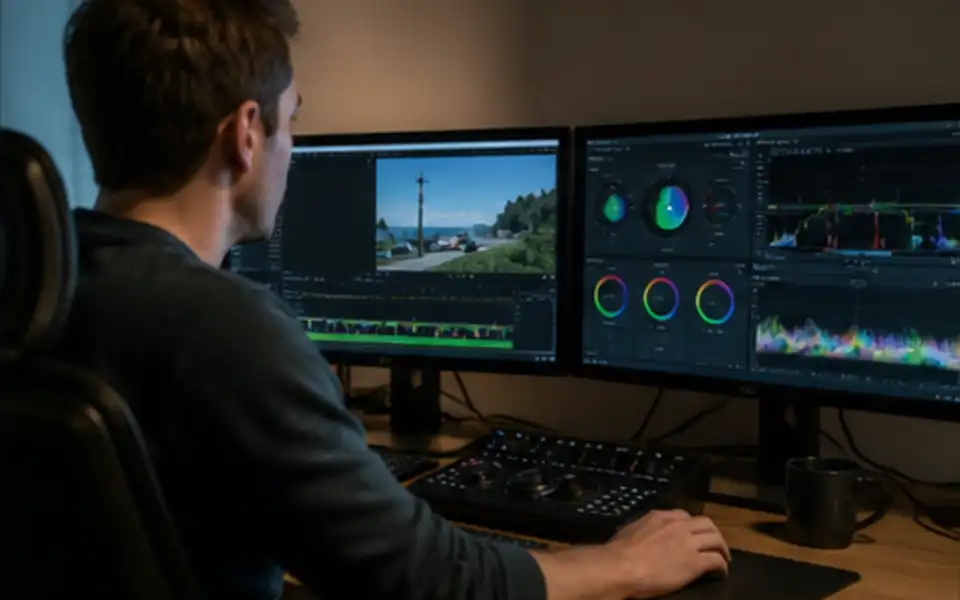
Colour Grading: Technical Accuracy and Creative Intent
Colour grading serves two functions. The technical function is to normalise footage shot across different cameras, lighting conditions, and locations. The creative function is to establish a consistent visual language for the project.
A corporate interview shot in a bright London office and b-roll filmed at dusk on location will look inconsistent without grading. A colourist balances these shots first, then applies a creative look — whether that is a clean, neutral grade for a financial brand or a warmer, more cinematic treatment for a charity campaign film.
Common grading tools in professional UK post houses:
| Tool | Primary Use |
|---|---|
| DaVinci Resolve Studio | Broadcast and film grading, HDR workflows |
| Baselight | High-end broadcast and commercial work |
| Premiere Pro Lumetri | Faster-turnaround corporate and digital content |
HDR delivery is increasingly requested by UK broadcasters and streaming platforms. This requires a separate HDR grade and a separate SDR trim pass — two distinct deliverables from the same project.
Audio Post-Production
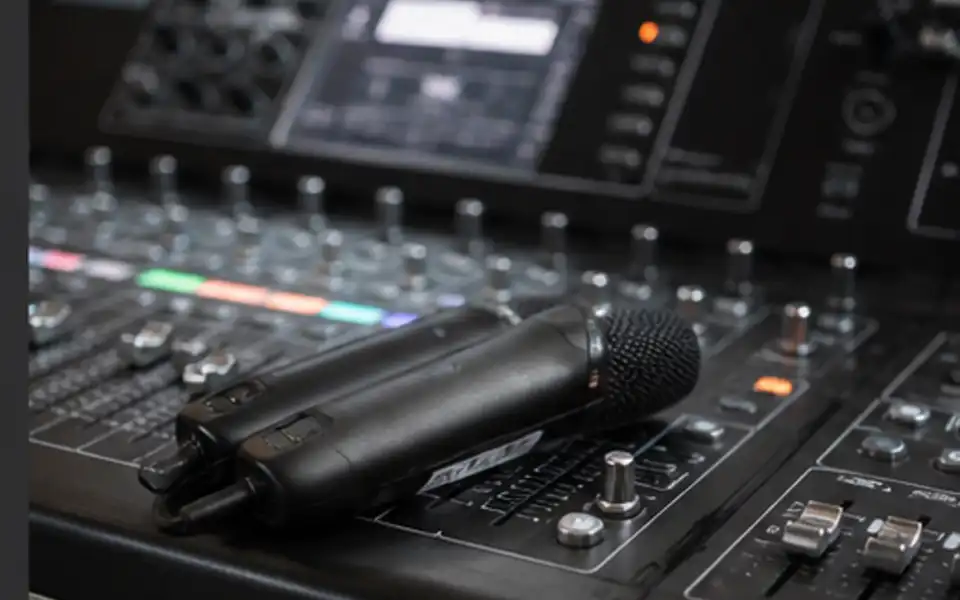
Audio is frequently underbudgeted and then rushed. A poorly mixed film with inconsistent dialogue levels, music that drowns speech, or audible background noise undermines credibility regardless of how strong the visuals are.
A full audio post workflow includes:
- Dialogue editing — removing breaths, mouth clicks, and ambient inconsistencies between takes
- ADR (Automated Dialogue Replacement) — re-recording lines in studio where location audio is unusable
- Sound design — adding or designing ambient audio, transitions, and effects
- Music editing and sync — cutting licensed or composed tracks to picture
- Final mix — balancing dialogue, music, and effects to broadcast or delivery specification
- Stem exports — separate audio stems (dialogue, music, effects) for international versioning
For UK broadcast, the EBU R128 loudness standard is the baseline. Many corporate and event videos destined for LinkedIn, YouTube, or events spaces also benefit from a -14 LUFS integrated loudness mix, which is closer to streaming platform normalisation targets.
Motion Graphics and Titles
Motion graphics work sits between the edit and online stages. Lower thirds, animated logos, data visualisations, and full-screen graphic sequences are built separately and integrated during online.
For corporate clients, this often means working with existing brand guidelines — specific typefaces, colour values (HEX or Pantone), and animation styles that match the company's broader marketing output. A financial services firm with a conservative brand identity needs a different motion graphic treatment than a tech startup.
Broadcast projects require graphics built to specific safe-area parameters so titles do not get cut off on different display sizes or broadcast outputs.
Showreels and Version Control
Many post-production projects generate multiple versions of the same asset:
- Full-length cut (3–8 minutes)
- Short cut for social media (60–90 seconds)
- Square or vertical crop for Instagram and TikTok
- Subtitled version for accessibility compliance
- Clean version without lower thirds for international use
Version management is a practical workflow issue. Without clear naming conventions and organised project files, it is easy to deliver an outdated version or lose track of which cut has been approved.
A structured version log should record: version number, date, changes made, who approved, and which files were exported. This is standard practice on broadcast projects and worth applying to corporate work.
Broadcast Delivery and Quality Control
Before any project is delivered to a broadcaster, streaming platform, or archive, it goes through a QC (Quality Control) pass. Automated QC tools check for:
- Video artefacts, dropped frames, and clipping
- Audio level compliance and phase issues
- Subtitle file accuracy and timing
- Metadata completeness
UK broadcasters including the BBC, ITV, Channel 4, and Sky each publish their own delivery specifications. These are updated periodically. The AS-11 file wrapper is the UK broadcast standard for MXF delivery. Streaming platforms have separate specifications — Netflix, for example, publishes detailed IMF (Interoperable Master Format) requirements for original content.
Failing a broadcaster's QC costs a delivery slot. A professional post-production facility builds QC into the workflow rather than treating it as an afterthought.
Turnaround Times: What Is Realistic
One of the most common points of friction between clients and post-production facilities is timeline expectations.
| Project Type | Footage Volume | Realistic Post Schedule |
|---|---|---|
| 2-minute corporate film | 4–6 hours | 5–8 working days |
| 10-minute brand documentary | 15–25 hours | 3–5 weeks |
| Live event highlight reel (same-day) | 6–10 hours | 4–8 hours on-site |
| Broadcast documentary (30 min) | 80–150 hours | 10–16 weeks |
| TV commercial (30 seconds) | Varies | 3–6 weeks inc. VFX |
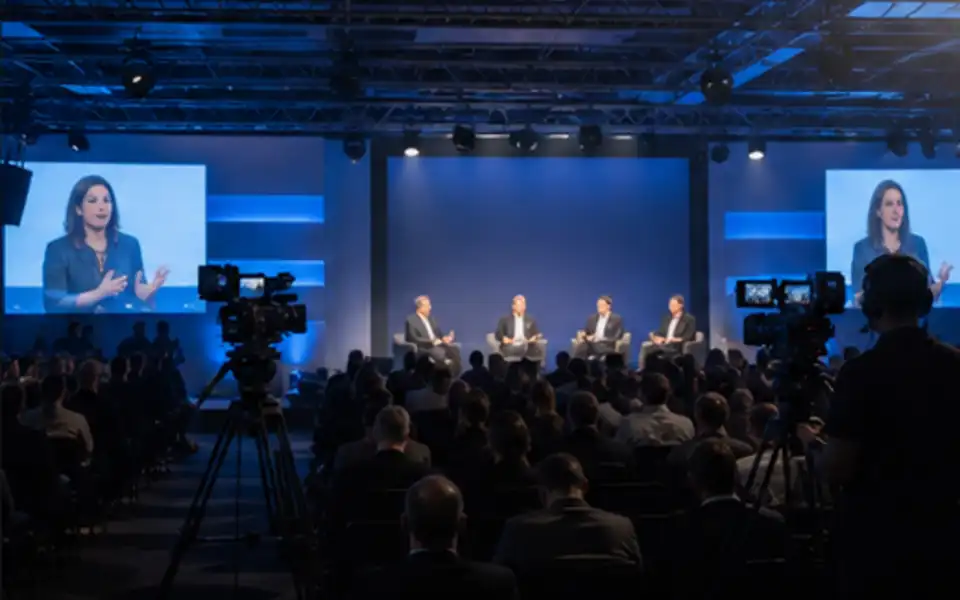
Same-day edit for live events is a specialist skill. It requires a dedicated edit station on-site, a fast operator, and clear communication about which moments are priority selects before filming starts.
Working With a Post-Production Facility: Practical Checklist
Before handing over footage to a post-production team, confirm the following:
- Camera formats and frame rates used on the shoot
- Whether proxies or full-resolution files are being delivered
- Audio sync method (timecode, clapper, or auto-sync)
- Delivery specification for final output (broadcaster, platform, or internal use)
- Number of review rounds included in the agreement
- Who has final approval authority on the client side
- Music licensing status — is the music cleared for the intended distribution?
Unresolved music licensing is one of the most common late-stage problems on corporate video projects. A track licensed for internal use cannot be published on YouTube or broadcast without the appropriate licence.