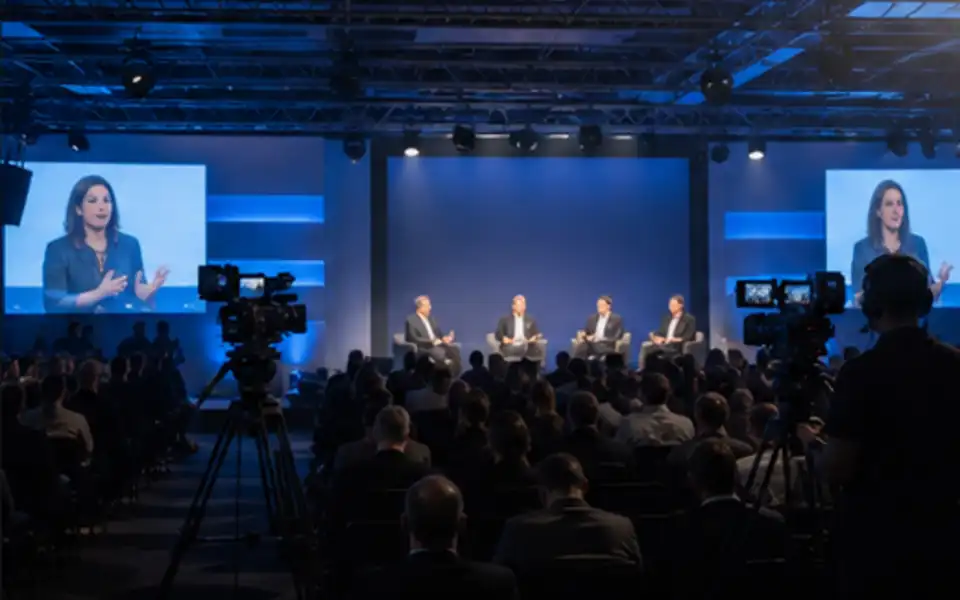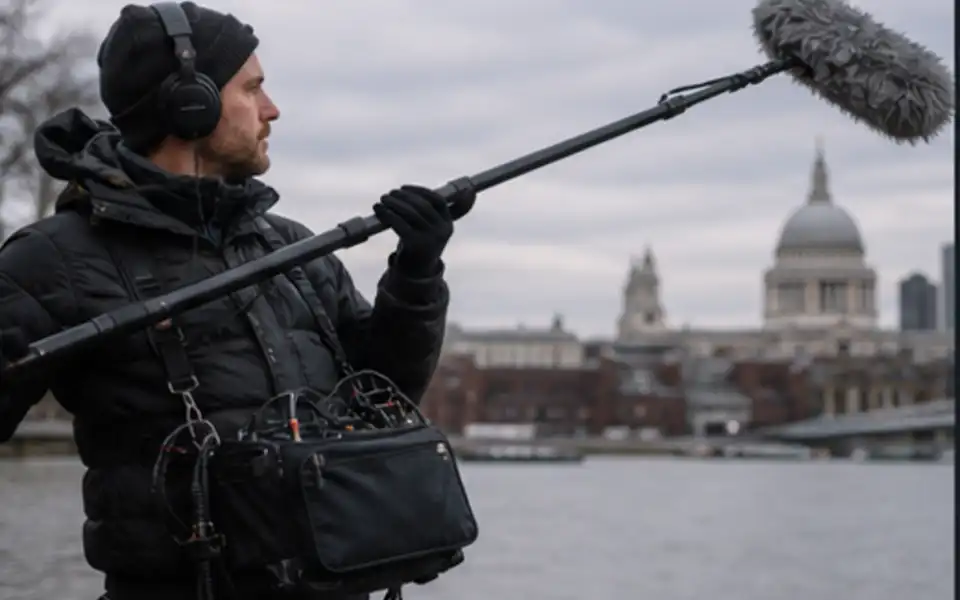
A showreel is the first thing commissioners, producers and clients watch before deciding whether to pick up the phone. It has roughly 60 to 90 seconds to make or break the conversation. At SMG Productions, we cut reels for broadcast talent, production companies and corporate clients who need their best work shown in the right order, at the right pace, with no filler.
What a Showreel Actually Does for You
A showreel is not a portfolio or a highlight montage. It is a curated argument that you can deliver results on camera, behind it, or both. The difference matters because a weak reel wastes the goodwill of whoever pressed play.
A well-structured reel does three things:
- Establishes your specialist area within the first 10 seconds
- Shows range without losing focus
- Leaves the viewer with one clear takeaway about what you do best
If your current reel does not do all three, it is working against you.
Types of Showreels We Produce
Different disciplines need different structures. A directing reel cut the same way as a presenting reel will underserve both.
| Reel Type | Primary Audience | Ideal Length | Key Focus |
|---|---|---|---|
| Presenting / On-screen talent | Casting directors, commissioners | 60–90 seconds | Presence, clarity, range of formats |
| Directing reel | Production companies, broadcasters | 90–120 seconds | Visual storytelling, scene variety |
| Editing reel | Post-production houses, agencies | 60–90 seconds | Pacing, rhythm, genre range |
| Corporate video reel | Marketing directors, procurement | 90–120 seconds | Production quality, sector breadth |
| Broadcast production reel | Broadcasters, OTT platforms | 2–3 minutes | Technical standards, editorial strength |
| Live event production reel | Event agencies, brands | 90 seconds | Energy, multi-camera fluency |
Each reel type has its own grammar. A presenting reel should open on your face. A directing reel should open on a striking visual. An editing reel needs to demonstrate tempo from the first cut. We build to those conventions because the people watching your reel know them better than anyone.
How the SMG Productions Showreel Process Works
Stage 1: Material Audit
We begin by reviewing everything you have. Raw footage, finished pieces, B-roll, broadcast clips, corporate outputs. The goal is not to use everything — it is to identify the 15 to 20 percent that earns its place in a 90-second window.
Common problems we find at this stage:
- Footage from five years ago that contradicts your current positioning
- Technically strong work that belongs to the wrong genre
- Clips where production quality varies enough to distract the viewer
- Pieces that need clearance before they can be used commercially
Clearing third-party broadcast footage for reel use is a separate process. We flag rights issues early so there are no surprises in post.
Stage 2: Structure and Pacing
The opening 10 seconds determine whether the reel gets watched in full. We map a structure before we touch the timeline:
- Hook clip: strongest single moment, not necessarily the longest project
- Identity beat: who you are and what context you operate in
- Range section: two to four clips showing breadth without losing the core discipline
- Anchor moment: the piece that best represents where you are now
- Exit: clean end, no fade to black with music running out
Pacing depends on genre. A broadcast drama reel can breathe. A corporate reel for a brand facing a fast-moving procurement cycle should move faster. We adjust to the context, not to a house style.
Stage 3: Post-Production and Finishing
Colour grading, sound mix, lower thirds and title cards are handled in-house. For most reels, we recommend minimal graphics. A name card at the start and contact details at the end. Everything else competes with the footage.
Audio is frequently underestimated in reel production. A badly mixed reel with audio jumps between clips signals that you do not pay attention to detail — exactly the opposite of what the reel is trying to prove. We level audio across every clip and choose music, if used, based on pacing requirements, not personal preference.
Common Showreel Mistakes We See Regularly
These are patterns that come up repeatedly when clients bring existing reels for review.
Starting with the second-best clip. Many people lead with their longest or most recent project rather than their best individual moment. The reel opens weak and viewers adjust expectations downward.
Including credits and production titles from third parties. Opening seconds of broadcast footage often carry channel logos or production company credits. These distract from your contribution and, depending on the project, may require clearance. Cut before or after them.
Running too long. The median reel that comes to us for restructuring is 3 minutes 40 seconds. The reels we produce run between 60 and 120 seconds depending on type. Shorter reels with higher average clip quality outperform longer reels every time.
Using music to carry the reel. Music should support the footage, not compensate for gaps in quality. If the reel only works with a particular track, the footage is not strong enough on its own.
No clear discipline. A reel that includes news presenting, cooking segments, documentary narration and corporate talking heads tells the viewer you have not committed to a direction. Specialists get more calls than generalists, even if the underlying skills overlap.
Showreel Production for Broadcast Clients
UK broadcast clients — whether working with the BBC, ITV, Channel 4, Sky or streaming platforms — face specific expectations around technical delivery and editorial standards. Reels submitted into broadcast commissioning contexts need to demonstrate familiarity with those standards, not just general production competence.
Key factors for broadcast reels:
- Footage must meet platform delivery specs (UHD, HDR, correct frame rates)
- Editorial decisions should be visible in the clip selection, not just production values
- Diversity of format — studio, location, OB — demonstrates professional range
- Broadcast credits and transmission history should be referenced in supporting materials, not crammed into the reel itself
For production companies seeking broadcast commissions, a reel is one part of a larger pitch package. We advise on how the reel relates to the treatment, the director's vision document and any previously transmitted work.
Corporate Video Showreels: A Different Conversation
Corporate clients reviewing a production company reel are asking a different question from a broadcaster. They are not assessing editorial judgment. They are asking: does this company understand how to represent a professional business on camera, on brief and on budget?
What corporate procurement teams look for:
| Signal | What It Tells Them |
|---|---|
| Variety of client sectors | Adaptability, not a one-sector niche |
| Location and studio work | Production flexibility |
| Interview and scripted content | Range of formats |
| Animated or motion graphics elements | Full-service capability |
| Production quality consistency | Reliable output, not one great project |
The corporate reel should open with the most recognisable brand or the cleanest production, whichever is stronger. Brand recognition signals trust. Production quality signals capability.
Live Event Production Reels
Live event footage is technically harder to use in a reel than studio or location material. Venue lighting varies, multi-camera feeds are not always graded consistently, and crowd sound can overwhelm programme audio. We treat live event reels differently:
- Colour grade applied across all multi-camera feeds to create visual consistency
- Audio handled from isolated feeds where available, not the room mix
- Cut pace is faster because live event reels need energy, not contemplation
- Include both camera operator perspectives and director/vision mixer cuts where possible
Live event reels work best when they show the scale of production alongside the quality of execution. A clip from a 5,000-capacity venue tells a different story from a 50-person boardroom event, even if the production values are similar.
Updating Your Showreel
A showreel has a shelf life. For broadcast talent, anything over 18 months old risks looking dated in style or format. For production companies, a reel should be refreshed any time a significant project completes that outperforms what is currently in the cut.
Triggers for an update:
- You have landed a project in a new sector or format
- Broadcast or brand credits have improved
- Your current reel predates your main discipline shift
- You are submitting to a new commissioning context
We offer reel update services as a standalone — not just full productions. If you have three new clips to integrate into an existing cut, that is a different scope from building from scratch.